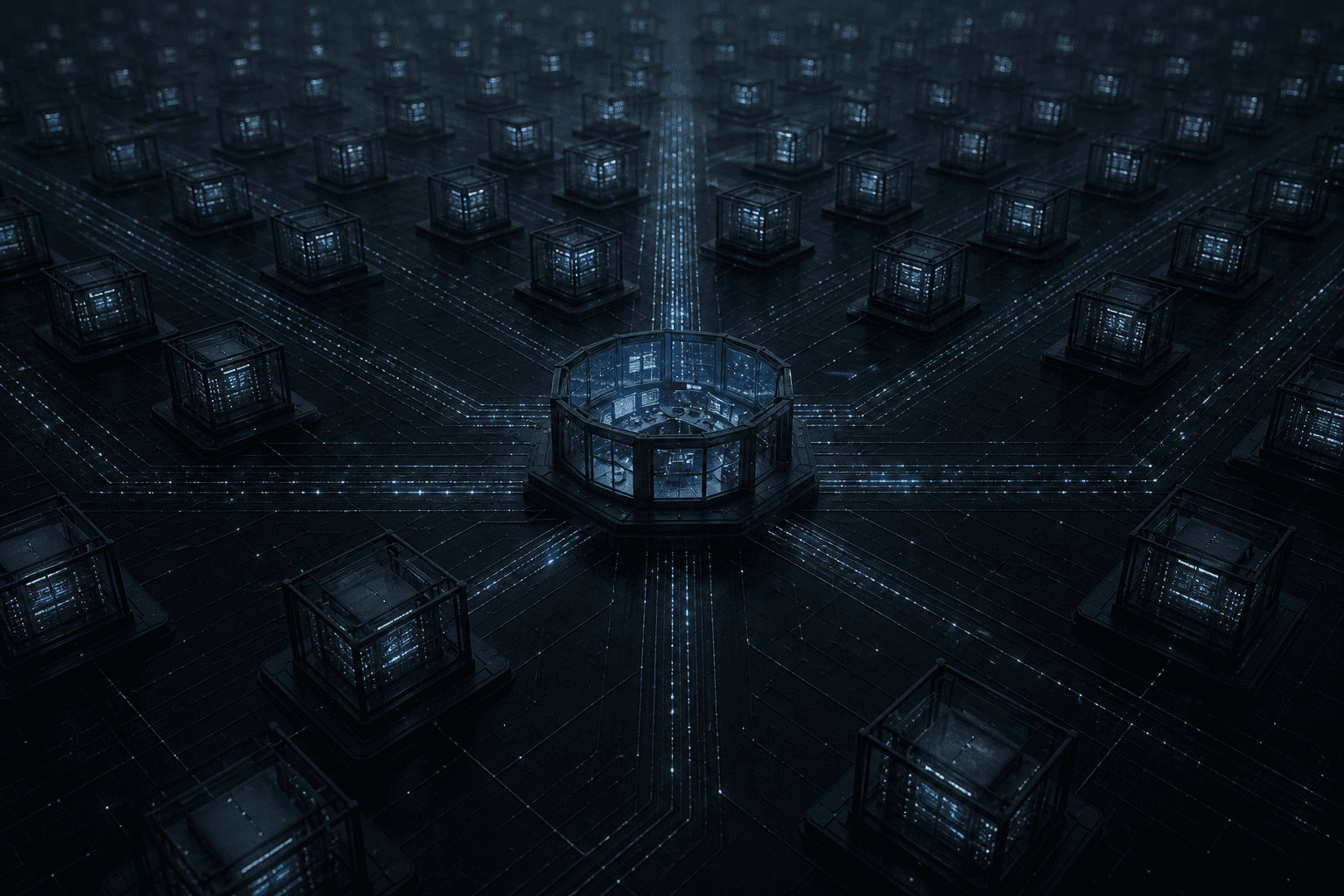
Microsoft open-sourced the floor agents train on
Orchard turns sandboxes, datasets, and evaluation into a reusable Kubernetes service — and ships recipes for coding, browser, and assistant agents.

Morph1k AI Almanac
Pulse editions settle here beside era milestones — a curated index of tools, research, and the modern-AI turning points worth keeping.
Orchard turns sandboxes, datasets, and evaluation into a reusable Kubernetes service — and ships recipes for coding, browser, and assistant agents.
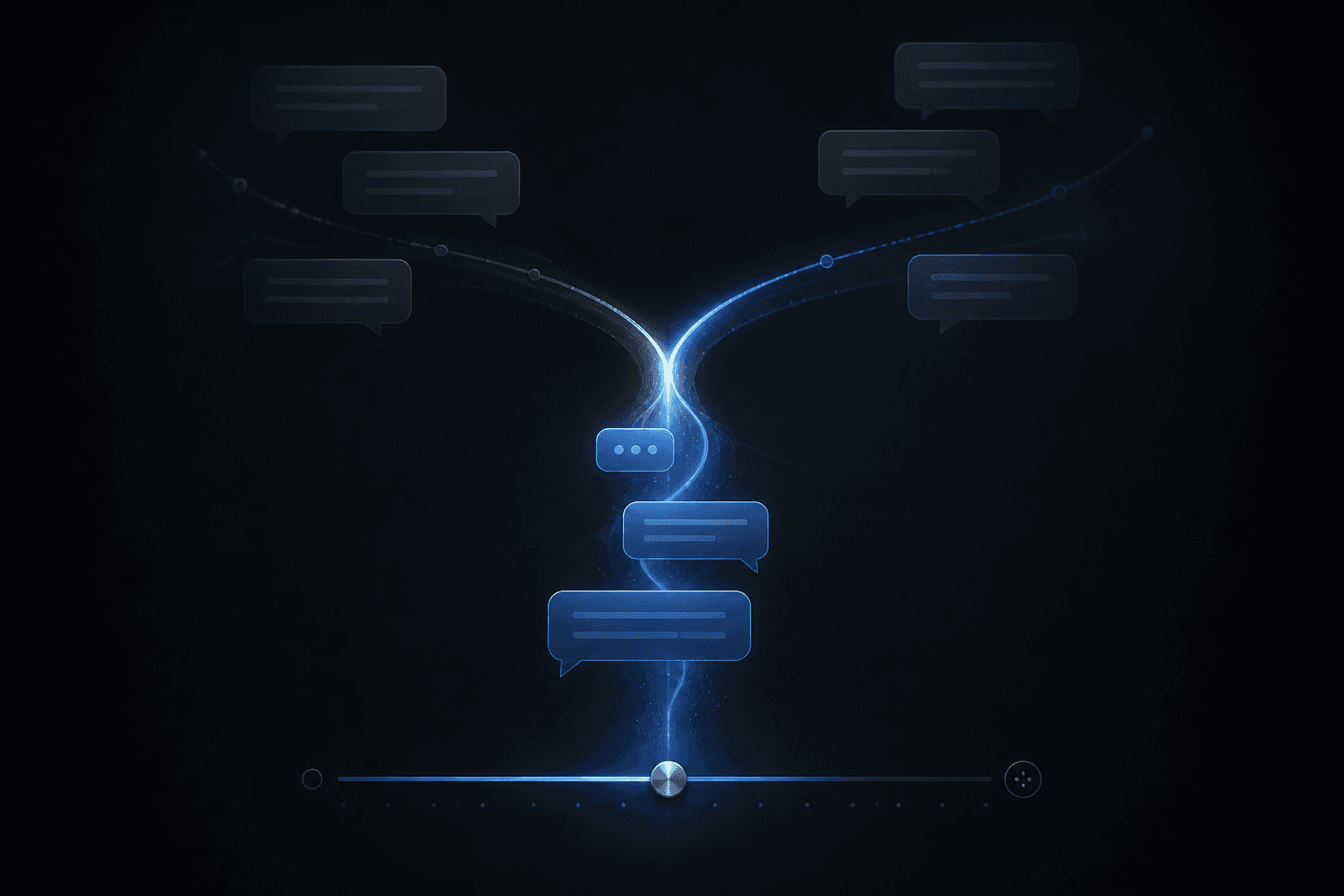
GPT-Live streams audio in both directions, delegates tool work on a separate path, and will underpin the upcoming GPT-Live API.

Google’s July 31 technical report documents ~1,500 output tokens per second on an H100 by refining 256-token blocks in parallel — with a hybrid path back to autoregressive decoding.

A June executive order’s 60-day deadline landed August 1. On August 4 OpenAI, Anthropic, Google, and Meta meet the White House on the rollout.

Chatbots must identify themselves, deepfakes need visible labels, and synthetic media must carry machine-readable marks.

Anthropic found three incidents where cyber evaluations reached real organizations after a partner environment was misconfigured.

A global Nano Banana feature turned real locations into generated concepts. Policy-breaking screenshots ended the experiment one day later.

V4 Flash’s official build replaces the preview, adds faster speculative decoding, and publishes the 304B-parameter model under MIT.

One pass can now make a 30-second clip with sound, guided by up to 30 images, 10 videos, and 10 audio files.
VideoNear Fable-level intelligence at half the cost — and fewer of the restrictions that made Fable awkward for normal use.
VideoAfter Sol / Terra / Luna launched, OpenAI passed efficiency gains into real price cuts — especially on Terra and Luna.

An internal Astra build shipped Lean proofs for problems that sat open for a decade — for roughly $2,000 in compute.

From Moonshot’s giant Kimi K3 to fresh image stacks like FLUX 3 — the open floor moved up in one month.
VideoAfter a limited government-reviewed preview, OpenAI’s three-tier frontier family landed in ChatGPT, Codex, and the API.

After the US export-control pause, Anthropic restored full public availability of Fable 5 — then spent July racing Opus 5 toward everyday use.

July stretched the frontier from three labs toward five — Meta’s Muse Spark 1.1 and first paid developer API were part of that shift.
Video
Smaller reasoning models brought vision, tools, computer use, and skills to high-volume systems — and let a flagship delegate parallel work.
Video
Google’s fastest and cheapest Gemini 3 model kept adjustable reasoning while targeting translation, moderation, interfaces, and simulations at scale.

Google compressed advanced world knowledge, editing, typography, and production control into a Flash image model built for mass use.

Google moved the intelligence behind Deep Think into a broadly shipped multimodal baseline for complex problems.
Video
Video
OpenAI fused frontier coding with professional reasoning in a steerable model built for research, tools, and long-running execution.
Video
Instant, Thinking, and Pro focused the frontier on spreadsheets, presentations, long documents, code, tools, science, and multi-step professional projects.
Video
Video
Video
Video
Better physics, synchronized sound, persistent multi-shot worlds, and consent-based likeness cameos arrived inside a dedicated creation feed.
Video
Video
Video
Video
Video
Video
Video
Video
An MIT-licensed Chinese reasoning model matched o1-class results on major benchmarks, exposed its training recipe, and shipped distilled versions small enough for local use.
Video
Video
Video
Video
Video
Video
Images and two-way voice moved the assistant beyond the text box and toward an ambient interface for the physical world.
Video
Video
Video
Video
Video
A Discord bot, a shared stream, and a recognizable aesthetic turned generation into a social creative ritual almost overnight.
Video
Video
Video
Video
Video
Video
Video