AI · tools · culture

Almanac
Morph1k intelligence notesIndependent selection
Current edition7 October 2026№ 2026-10-07

Invisible ink, on-device search, Mythos for defenders

Editor’s note

This cycle is about marks you cannot see, search that never leaves the phone, and who may touch the sharpest cyber models. OpenAI set out its EU text-provenance path: API customers worldwide can opt into textGrain watermarking today, while eligible ChatGPT and Codex text in the European Union picks up an invisible mark over the coming weeks — detector access starts with approved researchers. Google DeepMind shipped EmbeddingGemma 2, a 740M Apache 2.0 multimodal embedding model that maps text, code, images, audio, and video into one space for on-device RAG. Anthropic folded Project Glasswing into an expanded Cyber Verification Program with three tiers, publishing Glasswing partners’ 129,000+ verified vulnerabilities from April–July plus 5,500 from its own open-source scans. The same day it widened Claude Startups: a free year of Claude Team (up to five Premium seats), $1,000 in API credits, and up to $45,000 in partner stack offers for eligible founders. And OpenAI published 722 mathematics manuscripts in 372 families from an unreleased internal model on GitHub — with Lean formalizations for many, but not all, results.

Topics
05
Videos
00
Languages
02
Faint cold grain patterning through soft white text-ribbons dissolving into a graphite mist

Lead visual · OpenAI

OpenAI starts EU text watermarking with textGrain

Edition index

Choose a topic, then read the short brief below — with video when it helps.

Arrows / swipe

Faint cold grain patterning through soft white text-ribbons dissolving into a graphite mist
Morph1k visual note · 01
01 / 05OpenAIShifts the rules

OpenAI starts EU text watermarking with textGrain

OpenAI published its EU text-provenance plan: opt-in textGrain watermarking for select API models globally starting October 5, invisible marks on eligible ChatGPT and Codex text in the EU over coming weeks, and detector access limited at first to approved researchers.

01

What happened

On October 5 OpenAI described how it will meet EU AI Act machine-readable text requirements with textGrain, a statistical watermark woven into word choice rather than hidden characters. API customers worldwide can opt in for select models; watermarking stays off by default in the API. Over the coming weeks, eligible ChatGPT and Codex text output in the European Union will carry an invisible watermark across all plans — not as a global default. Detector applications open for approved researchers and expert organizations; image and audio verification tools remain publicly available. OpenAI’s evaluations show detection improving with length (about 80% of 200-token vs ~95% of 400-token psychology passages at a 1% false-positive target) and weakening under edits (10% synonym replacement cut detection from ~92% to 66% on 400-token samples). It plans to open-source textGrain and reports no meaningful Astra benchmark drop with watermarking on.

02

Why it matters

Authorship fights used to end in a shrug. A major lab is now putting a machine-readable mark into everyday EU chat and coding text — while saying aloud what the mark cannot prove about ownership, accuracy, or how much a human rewrote.

03

For you

If you ship in the EU or sell to EU users, expect ChatGPT and Codex drafts to carry an invisible OpenAI mark soon — and treat a missing detection as inconclusive. API builders who need provenance can opt in now; everyone else should keep human disclosure and version history, because light edits erase the signal fast.

Continuum

157

Indexed signals

When the feed moves on, the Almanac keeps the record.

A calm index of Pulse editions and modern-era milestones — searchable, filterable, built to return to.

Editions
24
Signals
112
Era
45
Open Almanac

Still on the page

One edition back

Full index →

Previous edition

4 October 2026

№ 2026-10-04

Academy seats, open proofs, desk-side spark

This cycle is about who can ship AI inside real systems — and who can keep the work on their own desk. Anthropic opened Claude Frontier Academy with a $100 million commitment to train 10,000 Frontier Deployed Engineers by the end of 2027, starting with cohorts from Accenture, Bain, Capgemini, Deloitte, McKinsey, Morgan Stanley, Novo Nordisk, and others. Meta showed mathematicians using Muse Spark 1.1 and 1.2 in ordinary meta.ai chat to help finish six research papers, five answering previously open questions, with human review and clear AI-draft marks. The same week Meta opened Muse Gadgets: Apache 2.0 ESP32 and Linux SDKs plus Muse Home Link, a USB-C ESP32-C5 bridge that lets Muse reach home devices for U.S. subscribers. DeepSeek’s Harness entered a worldwide public preview as an installable open-source agent shell — desktop or `npx` web — where every layer is a plugin, including Creator mode that writes plugins in chat. And NVIDIA priced a 64GB DGX Spark configuration from OEM partners at $4,999 from October 23, clustering two units to 128GB over ConnectX-7.

  1. 01
    Quiet slate pillars framing a cold luminous doorway in a graphite academy corridor

    Anthropic

    Anthropic funds 10,000 Claude-deployed engineers

    Anthropic launched Claude Frontier Academy with a $100 million commitment to train 10,000 Frontier Deployed Engineers by end-2027 — the same bar it uses for its own deployment staff.

  2. 02
    Chalk-white geometric curves floating in a graphite void under cold steel light

    Meta

    Muse Spark helps close open math questions

    Meta published six mathematics papers co-developed with Muse Spark 1.1 and 1.2 in ordinary Thinking Mode chat — five answering previously open questions, with human guidance, second-group review, and marked AI-drafted passages.

  3. 03
    Matte USB-C puck on a graphite desk with quiet cold network threads of light

    Meta

    Muse opens DIY gadgets and a home Wi-Fi bridge

    Meta opened Muse Gadgets with Apache 2.0 ESP32 and Linux SDKs, plus Muse Home Link — a USB-C ESP32-C5 bridge that lets Muse reach compatible home devices for active U.S. Muse subscribers.

  4. 04
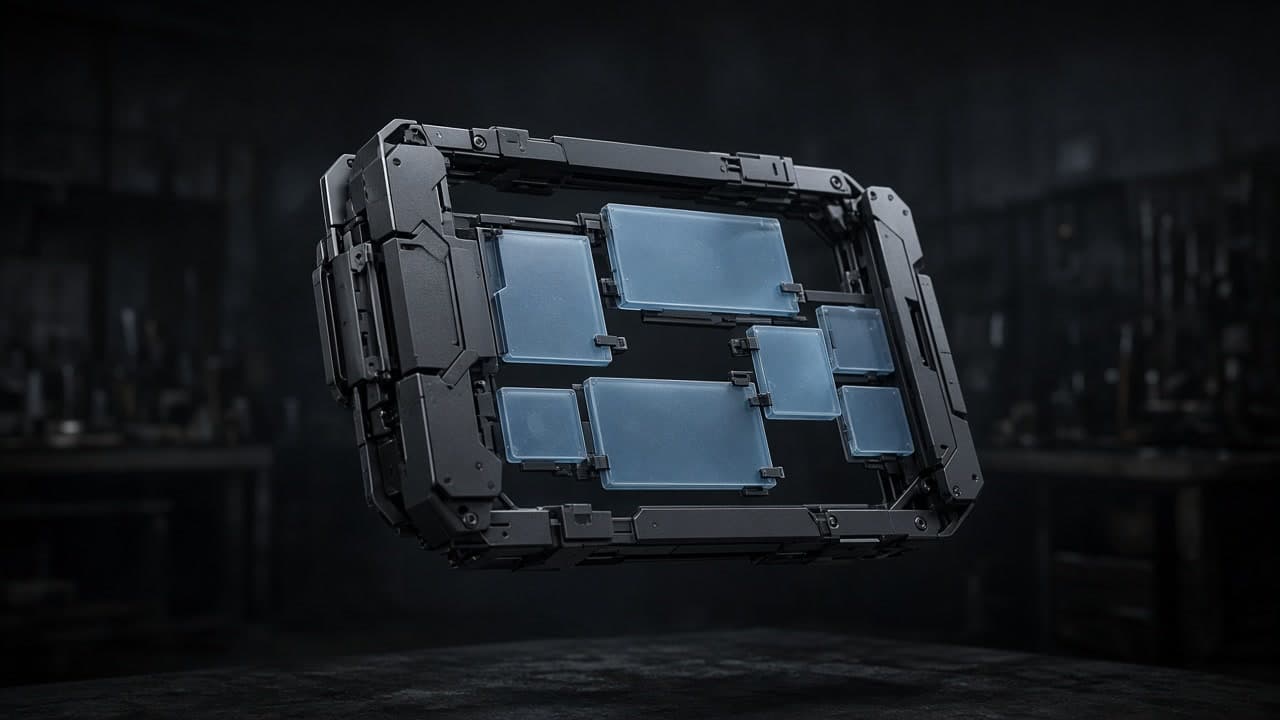
    Interlocking matte panels and cold-blue plugin tiles assembling a floating desktop frame

    DeepSeek

    DeepSeek Harness becomes a desktop agent shell

    DeepSeek’s open-source Harness is in worldwide public preview as a ready-to-run agent shell — desktop app or `npx @deepseek-ai/dsh web` — with an everything-is-a-plugin architecture and Creator mode that builds plugins in chat.

  5. 05
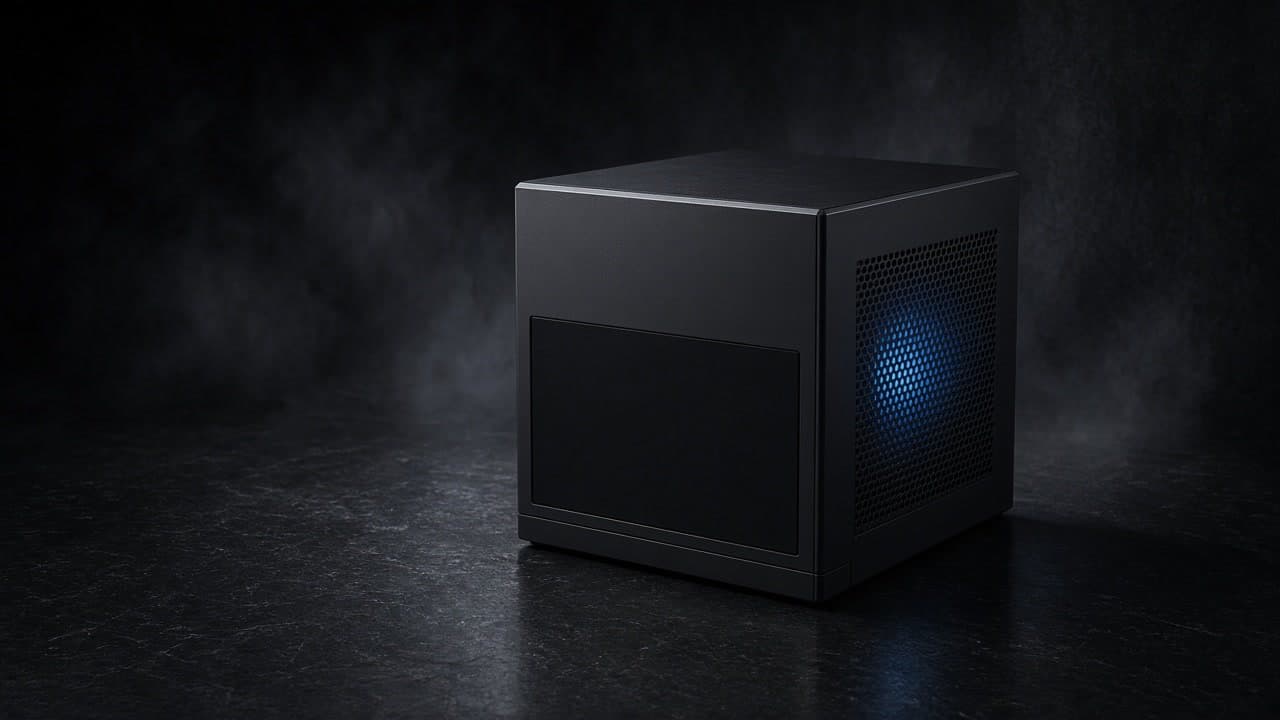
    Compact charcoal metal cube with a soft cold-blue inner glow on a reflective dark surface

    NVIDIA

    DGX Spark 64GB puts local agents at $4,999

    NVIDIA announced a 64GB DGX Spark configuration from Acer, ASUS, Dell, Gigabyte, HP, and MSI — same GB10 Grace Blackwell stack as the 128GB model, from $4,999 on October 23, with two-unit clustering to 128GB.